- Call Us Now 020 3728 4700
If those two words – ‘pensions’ and ‘investments’ – strike fear into your heart, there is no need. The following points should help clarify some of the more generic terms and their meaning.
Pension switches
Switching your pension means transferring your scheme – or schemes – to a different provider; just as you might with a bank account. It’s important to note that not all pensions can be switched.
So, is it worth doing? Assuming you stand to benefit from a different provider’s terms – no matter how small the difference may seem – the brief answer is ‘absolutely’.
As your pension is likely to have a big impact on your financial circumstances in later life, it’s vital that it is set to work as you want it to. If changes need to be made, the sooner the better.
Changes that seem small now could save you large sums in the future. The longer you put off making the change, the more you are likely to lose.
As pensions are rather complex products with various elements, you could make or lose money due to a few factors. Fees, and the way your pension is invested, are just a couple of these factors.
What’s important is that you are equipped to make the decisions that are right for you. It’s important to weigh up all elements of a pension and then compare that pension with others available to you, on the market, so you can make a balanced judgement.
It may be that your pension is performing healthily, and it would be better to leave things as they are.
Here at Arigal Consulting, we make it so that pensions are easier to understand. By breaking down the elements and working out how they fit in with your circumstances and plans, we can help guide you to make a measured choice.
We will only ever present you with pension plans offered by regulated companies and we will be clear about any related costs; as well as confirming the way your savings would be invested, the associated level of risk and naturally, all benefits.
ISAs
Individual Savings Accounts (ISAs) are tax free savings accounts. The 2020 to 2021 tax year sees UK residents being able to save up to £20,000 tax free, in an ISA.
There are 4 types of ISA: cash; stocks and shares; innovative finance; and lifetime ISAs. You may put money into one of each in any one tax year.
If you don’t have an appetite for risk, the cash ISA is a steady and stable way to save and be as tax efficient as possible.
The stocks and shares ISA enables access to a variety of investment options and as such, can result in a better return than the cash ISA. As you’d expect, this comes with an increased risk; meaning you may not get back the sum you invested.
The innovative finance ISA permits you to benefit from tax-free interest and tax-free capital gains on funds lent through peer-to-peer lending platforms, that are FCA-regulated, and other investments. This type of ISA can be lucrative thanks to healthy potential interest returns.
Lifetime ISAs are designed for those who are saving for their first home or retirement. With these, the government will award you a bonus worth 25% of what you pay in, currently up to £4,000 every tax year. You can save this amount as long as you’re not saving more than the £20,000 annual overall ISA cap.
From the age of 16, you can open a cash ISA. You must be 18 or over for a stocks and shares or innovative finance ISA. And you must be 18 or older and under 40 to open a lifetime ISA.
Whilst you are unable to hold an ISA on another’s behalf, you can open a junior ISA for children under the age of 18.
The only non-UK residents who can open an ISA are Crown servants and their spouses or civil partners.
Our team of specialists will gladly help guide you towards the level of investment that fits your level of confidence and expertise.
Long and short-term investment planning
When it comes to weighing up long-term investments and short-term investments, it is logical to establish your financial goals and the reasons for these goals. Are you in it for the long haul, keen to make provisions for your retirement? Or are you hoping to use anticipated funds to pay for your child’s university place in four years’ time?
Most importantly, any investments will come with a risk – that is to say, you may not get back what you invested.
However, there are many successful investors out there so there is an argument for investing wisely.
Typically, long-term investments – by this, we mean around 10 years – tend to offer a higher probability of maximizing your return.
Short-term investments are investments which are made by those looking to sell or cash them in within a 3-year period. Some like to engage in extremely short-term investing, such as day trading. This can be particularly risky if you are new to investing.
Arigal Consulting will listen carefully to your financial needs and goals. We will always give you balanced and bespoke advice, accordingly.
Retirement planning
With the age you can start to receive your State Pension rising, now is a good time to think about how much of the State Pension you’ll be entitled to; and whether that is going to be enough to allow you to lead the kind of lifestyle you’d like when you are no longer working.
If it isn’t enough, there are other ways in which you can supplement your income – just look at all the above methods.
We have a creative and comprehensive approach to helping our customers plan for their retirement.
If you are 50 or over and you don’t have plans in place, the sooner you start making them, the easier things will be. Our helpful, professional team will help give you clarity and direction.
For all your financial planning requirements, please do call. We will be only too pleased to help.
INVESTORS DO NOT PAY ANY PERSONAL TAX ON INCOME OR GAINS, BUT ISAS DO PAY UNRECOVERABLE TAX ON INCOME FROM STOCKS ANDSHARES RECEIVED BY THE ISA MANAGERS.
TAX TREATMENT VARIES ACCORDING TO INDIVIDUAL CIRCUMSTANCES AND IS SUBJECT TO CHANGE.

Our
Main Skills




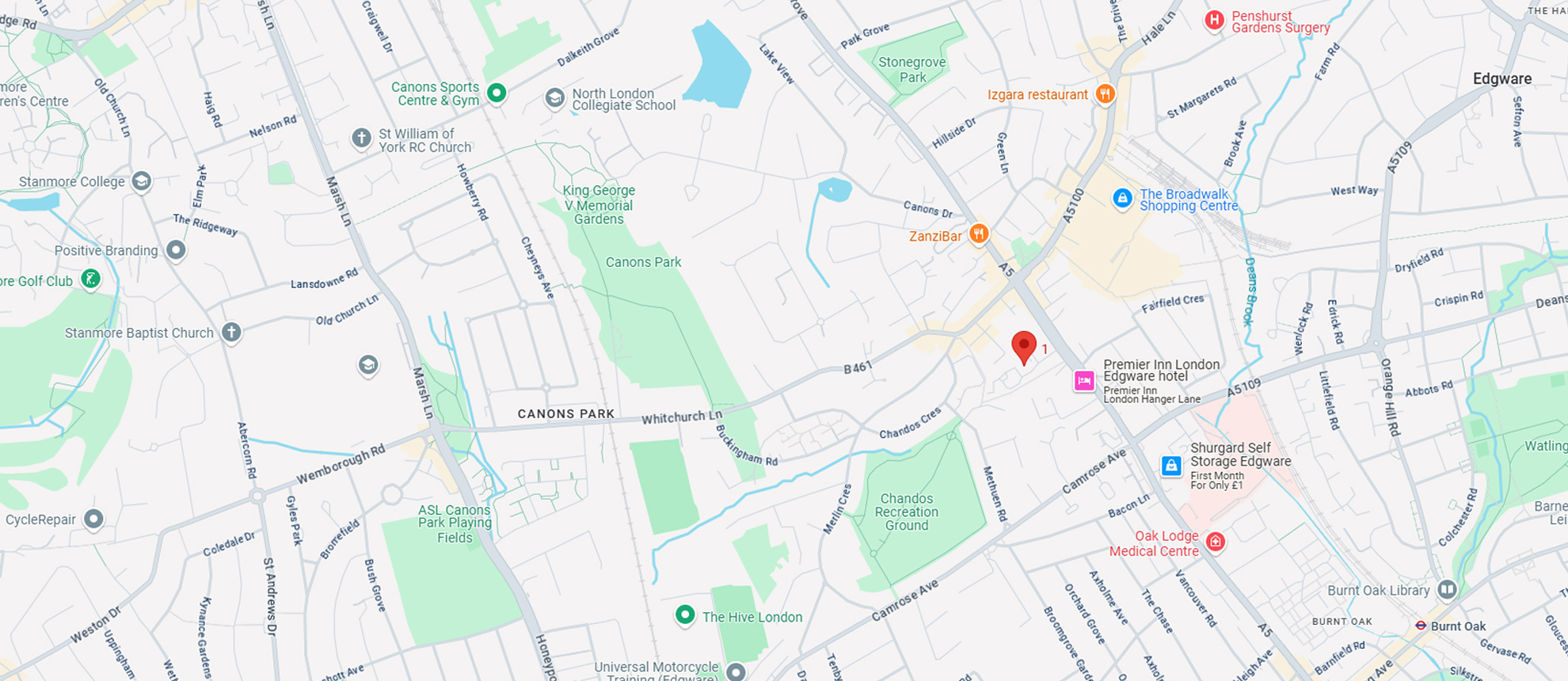
where we are
020 3728 4700
NW London Office
1 Spring Villa Park
Spring Villa Road
Edgware HA8 7EB
info@arigalconsulting.co.uk Locations